


The Sunlight-Vitamin D Connection
- Sun-Driven Synthesis: The magic begins when our skin is exposed to sunlight, specifically ultraviolet B (UVB) rays. These rays trigger the conversion of a compound called 7-dehydrocholesterol into vitamin D3 in the skin.
- Activation in the Liver and Kidneys: Once formed, vitamin D3 undergoes further transformations in the liver and kidneys to become the active form of vitamin D that the body can utilize.
Factors Influencing Sunlight’s Effectiveness
- Geographical Impact: The angle of the sun changes with seasons and varies at different latitudes, influencing the effectiveness of sunlight for vitamin D synthesis.
- Skin Pigmentation: Individuals with darker skin produce less vitamin D from the same sun exposure compared to those with lighter skin tones due to the higher melanin content.
- Age and Other Considerations: Age, time of day, and certain health conditions can impact the efficiency of sunlight in generating vitamin D.
The Benefits of Vitamin D
1) Bone Health:
- Calcium Absorption: Vitamin D aids in the absorption of calcium from the intestines, essential for maintaining strong and healthy bones.
- Prevention of Rickets and Osteoporosis: Sufficient vitamin D levels contribute to the prevention of conditions like rickets in children and osteoporosis in adults.
2) Immune System Support:
- Reduced Risk of Infections: Vitamin D is known to modulate the immune system, helping the body defend against infections and diseases.
- Autoimmune Conditions: Adequate vitamin D levels may reduce the risk of developing autoimmune diseases.
3) Mood Regulation:
- Risk of Depression: There’s evidence suggesting a link between low vitamin D levels and an increased risk of depression. Maintaining optimal levels may positively impact mood.
4) Heart Health:
- Cardiovascular Function: Vitamin D is associated with improved cardiovascular health, including the regulation of blood pressure and reduced risk of heart disease.
5) Cancer Prevention:
- Reduced Cancer Risk: Some studies suggest that sufficient vitamin D levels may lower the risk of certain cancers, including breast, colon, and prostate cancers.
6) Muscle Strength:
- Reduced Falls in the Elderly: Vitamin D is essential for muscle function, and its supplementation is linked to a decreased risk of falls, especially in older adults.
7) Regulation of Insulin Levels:
- Diabetes Prevention: Vitamin D may play a role in insulin sensitivity, and maintaining optimal levels could contribute to a lower risk of developing type 2 diabetes.
8) Pregnancy and Fertility:
- Healthy Pregnancy: Adequate vitamin D levels are crucial during pregnancy for proper fetal development and may reduce the risk of complications.
- Fertility: Some studies suggest a potential link between vitamin D levels and fertility in both men and women.
9) Inflammatory Conditions:
- Rheumatoid Arthritis and Asthma: Vitamin D has anti-inflammatory properties, and its supplementation may be beneficial for individuals with conditions like rheumatoid arthritis and asthma.
It’s important to note that while vitamin D is beneficial, excessive supplementation can lead to toxicity. It’s advisable to maintain a balance, obtain vitamin D through a combination of sunlight exposure, dietary sources, and supplements under the guidance of healthcare professionals.
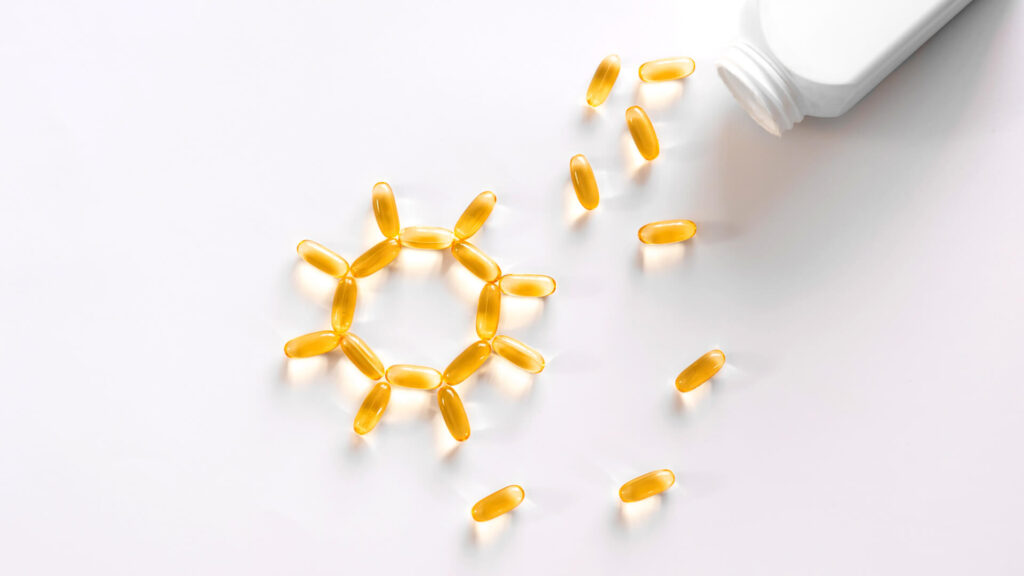
How Much Sunlight Do We Need For Vitamin D?
The amount of sun exposure you need to get enough Vitamin D depends on your skin color and where you live. People with darker skin need more sun than those with lighter skin. The farther you live from the equator, the more sun exposure you need to get enough Vitamin D.
Generally, it’s recommended that you get 10-30 minutes of sun exposure on your arms, legs, and back, 2-3 times a week. But be careful not to stay out too long, as too much sun exposure can lead to damage and increase your risk of skin cancer.
How to Get Enough Vitamin D Without Sun Exposure
If you live in a place with limited sun exposure or have concerns about exposure to damaging UV rays, there are other ways to get enough Vitamin D. You can get this essential nutrient from foods such as fatty fish (salmon, mackerel), egg yolks, fortified dairy products, and supplements. Vitamin D supplements are particularly helpful for those who are not getting enough sun exposure due to their location or lifestyle.
How to Protect Your Skin and Still Get Enough Vitamin D
If you want to get your Vitamin D from the sun but still want to protect your skin, there are ways to do so. Wear sun-protective clothing and hats, seek shade during the most intense UV hours (10am-4pm), and use a broad-spectrum sunscreen with an SPF of 30 or higher. These measures will help protect your skin while still allowing you to soak up the benefits of sunlight.
Conclusion
It is clear that sunlight plays a crucial role in providing our bodies with essential Vitamin D. However, we must also be mindful of the potential risks associated with prolonged sun exposure.
As much as we all love to bask in the warm rays and feel the sun on our skin, it is important to balance our time outdoors and protect ourselves from harmful UV rays. Thankfully, there are other ways to obtain this vital vitamin, such as through fortified foods or supplements like Diataal D.
By taking care of our overall health and incorporating safe practices when it comes to sunlight exposure, we can ensure that we are receiving an adequate amount of Vitamin D without risking any adverse effects.
So why wait? Start taking care of your health today by including Diataal D in your daily routine. With its perfect blend of 6 vitamins and 7 minerals, powered by Vitamin D and ALA (alpha lipoic), you can rest assured that your body is getting all the essential nutrients it needs for optimal functioning.
Key Highlights
- Sunlight triggers the natural synthesis of vitamin D in the skin through the conversion of 7-dehydrocholesterol to vitamin D3.
- Spending 10-30 minutes in the sun, a few times a week, is generally recommended for adequate vitamin D synthesis.
- Sunscreen with high SPF can hinder vitamin D production as it blocks the UVB rays necessary for the synthesis process.
- Various factors, including age, skin pigmentation, geographical location, and time of day, can impact the effectiveness of sunlight for vitamin D synthesis.
- Depending on individual circumstances, supplementation may be necessary for those with limited sun exposure or specific health conditions.
- Balancing sun protection measures with the need for vitamin D synthesis is crucial for overall health.
- The angle of the sun changes with seasons, influencing the effectiveness of sunlight for vitamin D synthesis, especially in winter or at higher latitudes.
FAQ’s
How does sunlight contribute to the production of vitamin D in the body?
Sunlight triggers a natural process in the skin where UVB rays convert a compound called 7-dehydrocholesterol into vitamin D3, which is then metabolized to its active form.
How much sunlight exposure is needed for sufficient vitamin D production?
Far far away, behind the word mountains, far from the countries Vokalia and Consonantia, there live the blind texts. Separated they live in Bookmarksgrove right at the coast of the Semantics, a large language ocean.
Can sunscreen affect the synthesis of vitamin D from sunlight?
Yes, sunscreen with a high SPF can reduce the skin’s ability to produce vitamin D, as it blocks the UVB rays necessary for this process. However, it’s essential to balance sun protection and vitamin D synthesis.
Are there factors that may hinder the body’s ability to produce vitamin D from sunlight?
Factors like age, skin pigmentation, geographic location, time of day, and certain medical conditions can influence the effectiveness of sunlight in producing vitamin D.